
Optimal Seasons for Landscaping Projects
Landscaping projects are most effective when scheduled during optimal seasons to ensure healthy growth and optimal results. Timing depends on the specific plants and features involved, as well as local climate conditions. Proper timing can influence the longevity and appearance of landscaping installations.
Spring is ideal for planting new shrubs, flowers, and trees. Moderate temperatures and increased rainfall support healthy root development.
Summer is suitable for maintaining existing landscapes and installing drought-tolerant plants. Care must be taken to avoid heat stress.
Fall offers cooler weather and increased moisture, making it a good time for planting bulbs and preparing landscapes for winter.
Winter is generally less suitable for planting but can be used for planning, designing, and installing hardscapes.
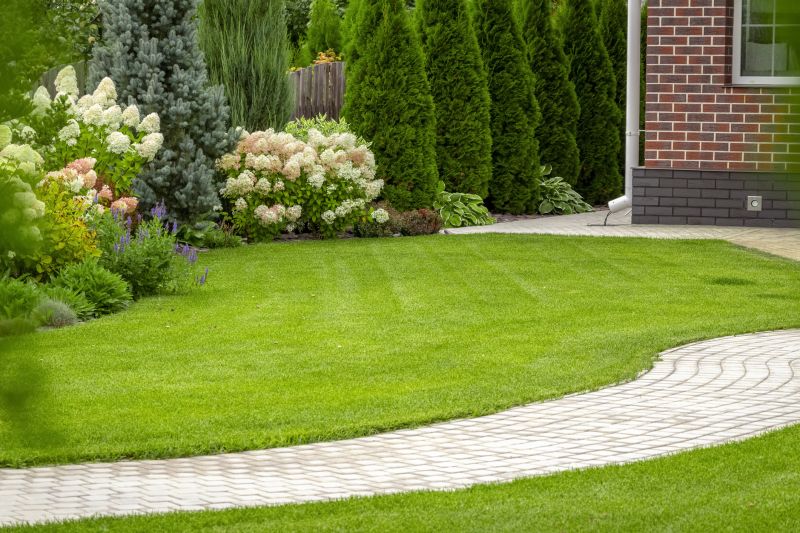
A lush garden with freshly planted flowers and shrubs.
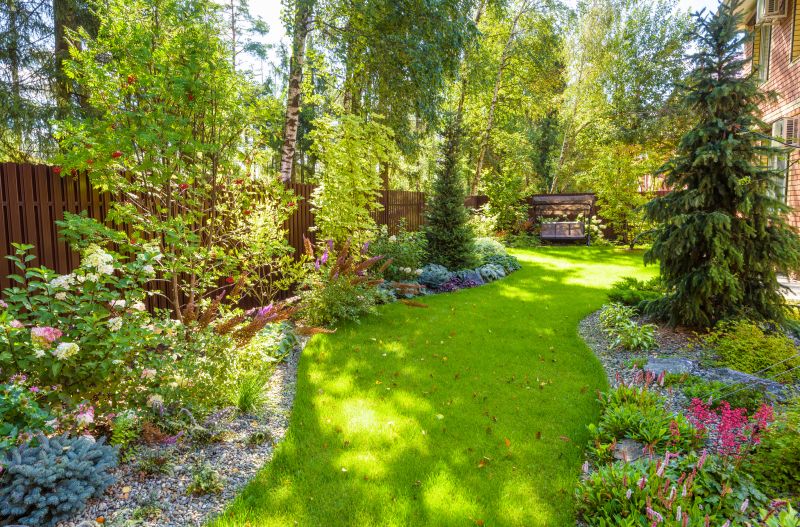
A well-maintained lawn with vibrant greenery.
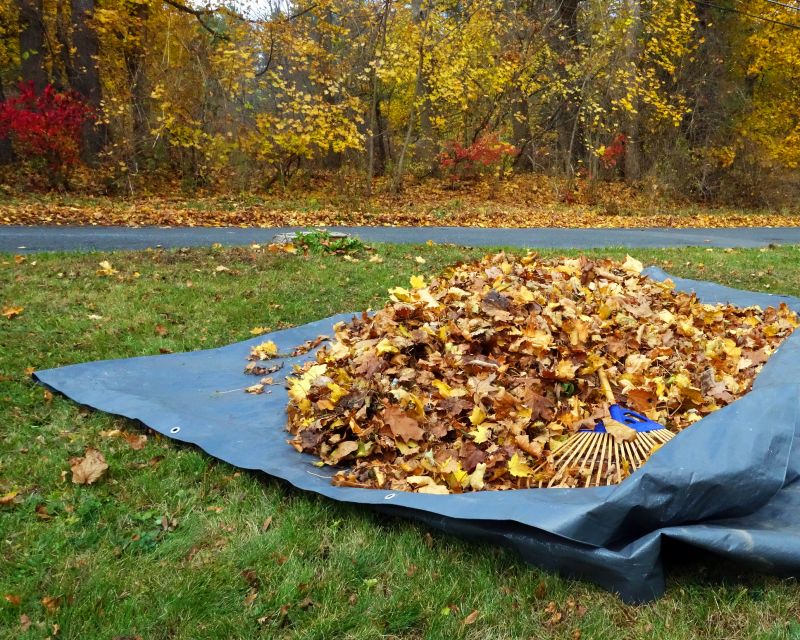
Autumn leaves and newly planted bulbs.
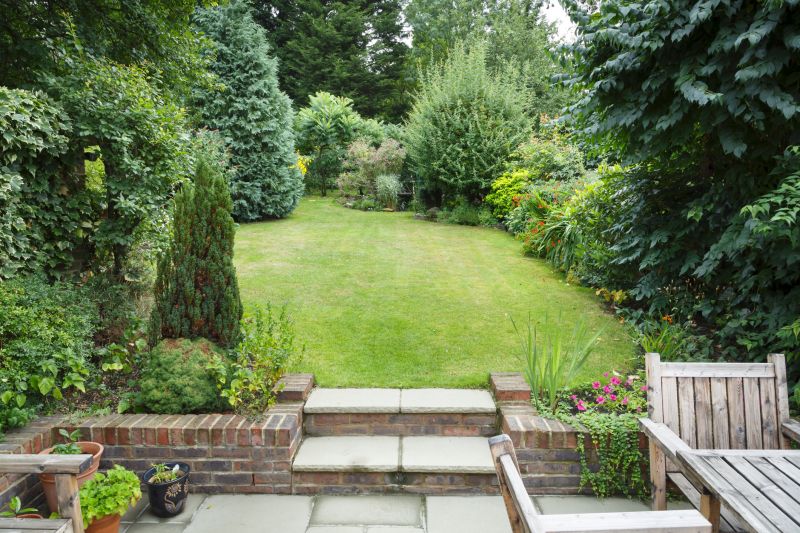
Ways to make Landscapings work in tight or awkward layouts.
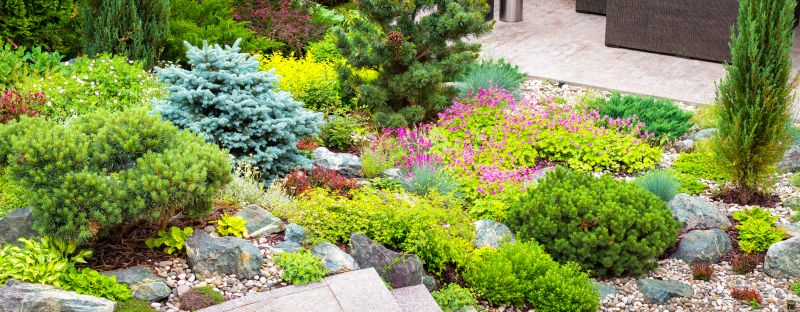
Popular materials for Landscapings and why they hold up over time.
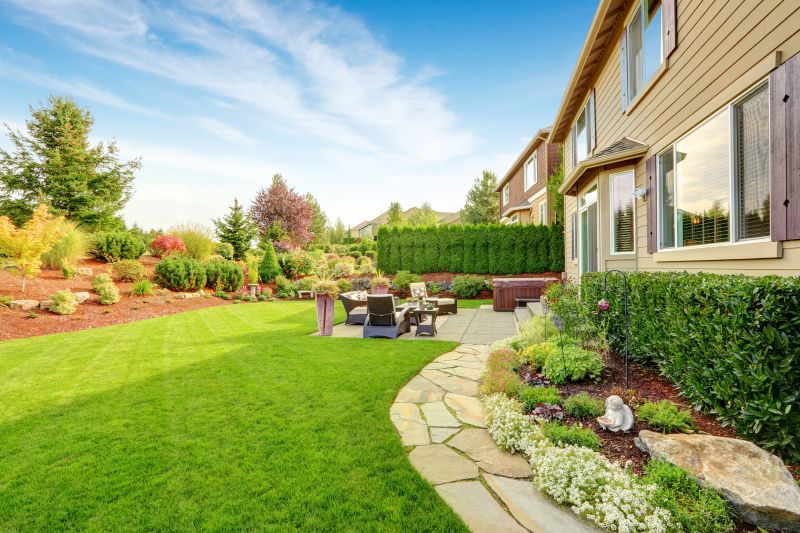
Simple add-ons that improve Landscapings without blowing the budget.
| Season | Best Activities |
|---|---|
| Spring | Planting new vegetation, soil preparation |
| Summer | Irrigation, maintenance, drought-tolerant planting |
| Fall | Planting bulbs, soil fertilization |
| Winter | Design planning, hardscape installation |
Landscapings significantly enhance the aesthetic appeal and functionality of outdoor spaces. Properly timed projects can improve plant health, reduce maintenance, and increase property value. Statistics show that well-maintained landscapes can increase property value by up to 15 percent and extend the lifespan of plants and features.
Planning landscaping during the appropriate season ensures optimal growth conditions. For example, planting in spring allows roots to establish before summer heat, while fall planting benefits from cooler temperatures and increased moisture. Understanding local climate patterns is essential for timing projects effectively.
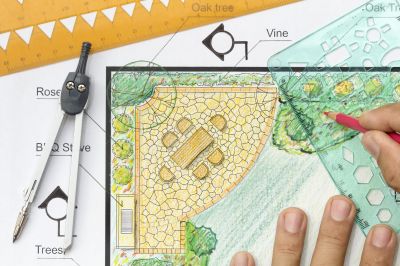
Designing outdoor spaces with seasonal considerations in mind.
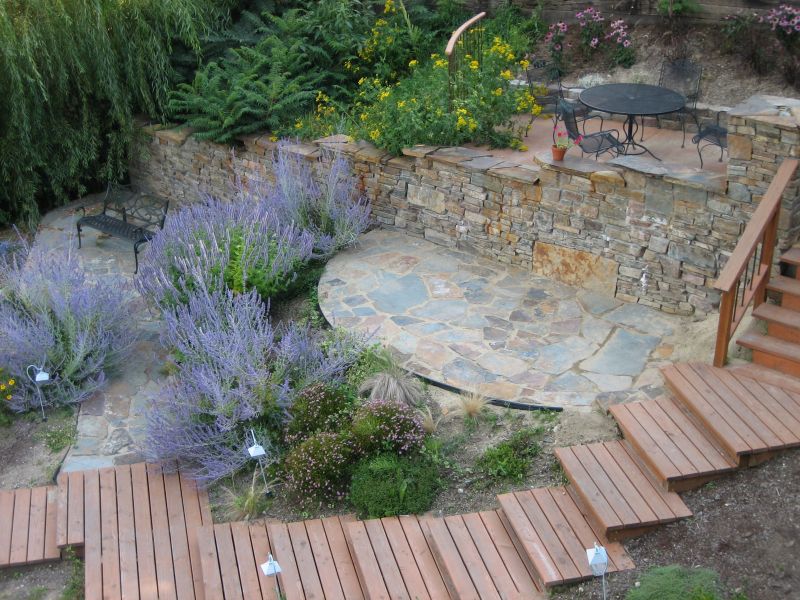
Constructing patios, pathways, and retaining walls.
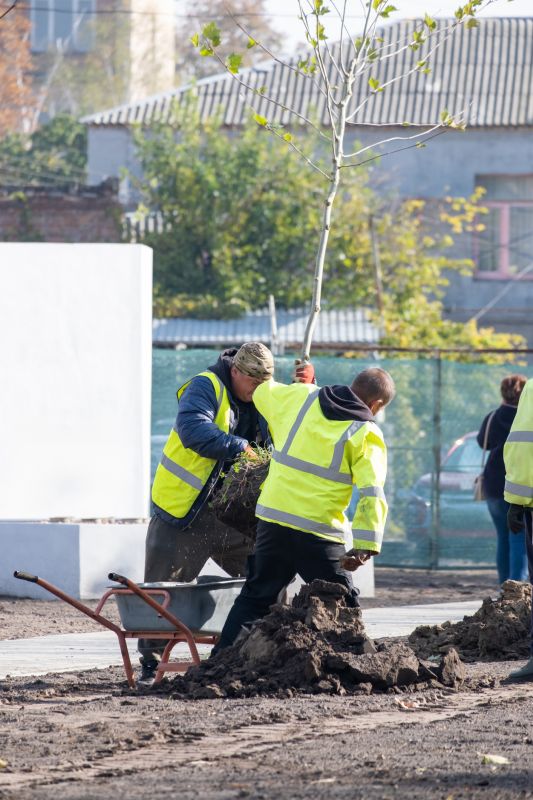
Implementing seasonal planting strategies.
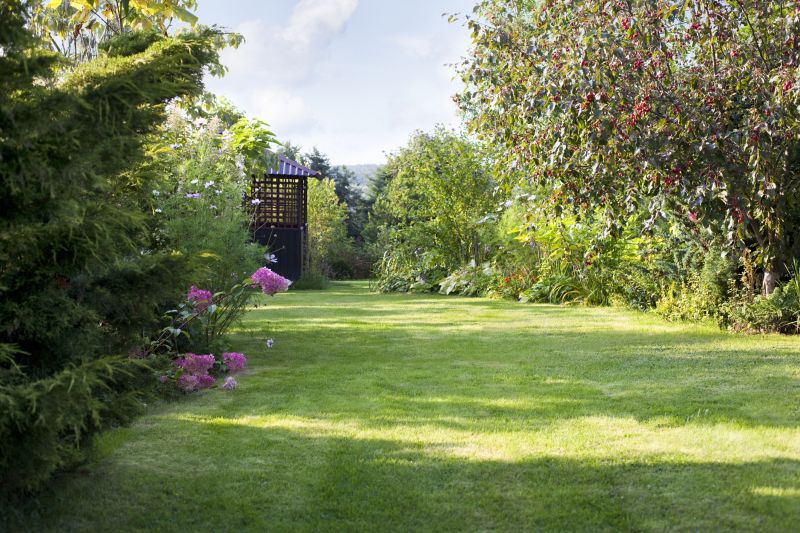
Ongoing care to ensure landscape health.
Interested in scheduling landscaping projects? Filling out the contact form provides an opportunity to discuss timing, design options, and project scope tailored to specific seasonal conditions in Hudson, WI.